

Small Tools Jinkali 4-in-1 steamed bun mould, dumpling mould, shaomai tool and kitchen gadget set with pattern imprinting capability, designed for home cooks making traditional Asian buns


Small Tools Jinkali 4-in-1 steamed bun mould, dumpling mould, shaomai tool and kitchen gadget set with pattern imprinting capability, designed for home cooks making traditional Asian buns
Jinkali 4-in-1 steamed bun and dumpling mould set with pattern imprinting for home cooks
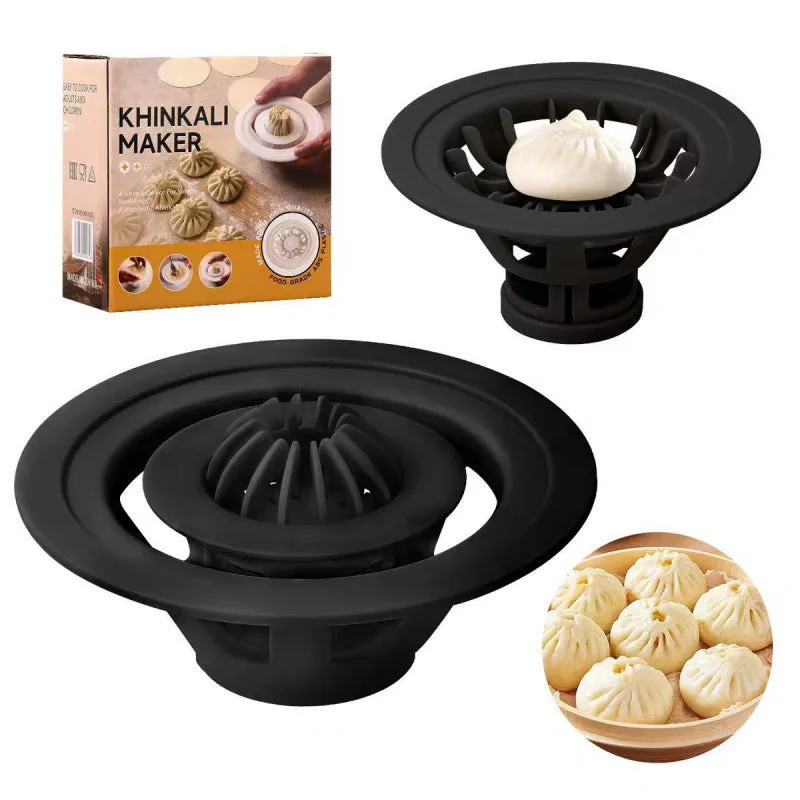
This Jinkali kitchen tool set addresses the common challenge of creating consistently shaped, professional-looking Asian steamed buns and dumplings in home kitchens. Many home cooks struggle to achieve the uniform appearance of traditional baozi, shaomai and dumplings without specialised equipment. This four-tool collection provides specific shaping structures that transform basic dough and filling into regularly formed items with clean edges and defined shapes. The moulds work by containing the dough wrapper and forcing it to adopt their internal contours, while any included patterns transfer decorative elements directly onto bun surfaces. With straightforward usage methods involving filling, pressing and tapping for release, these tools streamline what can otherwise be a time-consuming manual shaping process.
Features and Construction

This Jinkali set combines multiple Asian bun-making tools into one practical collection for home kitchen use. The four individual tools each serve distinct shaping purposes while sharing common operational principles. Their construction focuses on creating defined cavities that dough wrappers conform to when filled and pressed, resulting in consistent outputs batch after batch. The Black colour option provides neutral kitchen tool aesthetics that won't clash with other equipment.
Material and Build
The source text doesn't specify the exact materials used in these moulds' construction, which means we cannot describe their composition, weight, or material properties. What we can confirm is their functional design includes inner surfaces that dough wrappers conform to, with some featuring patterns or designs that transfer onto bun surfaces. The demoulding process suggests surfaces smooth enough to release shaped dough with minimal sticking, especially when a thin oil layer is applied as recommended. The tools' construction appears focused on shape definition rather than elaborate material claims.
Size and Practical Fit
While specific dimensions aren't provided in the source text, the tools are described as "small" and designed to accommodate "appropriate-sized" pieces of divided dough. This suggests moulds sized for individual buns rather than bulk production, suitable for home kitchen countertop use. The process involves rolling dough into "thin wrappers" before placement, indicating mould cavities deep enough to contain both wrapper and filling while maintaining structural integrity during steaming. The four-tool set offers variety in shape outputs while maintaining consistent sizing principles across the collection.
Uses and Placement
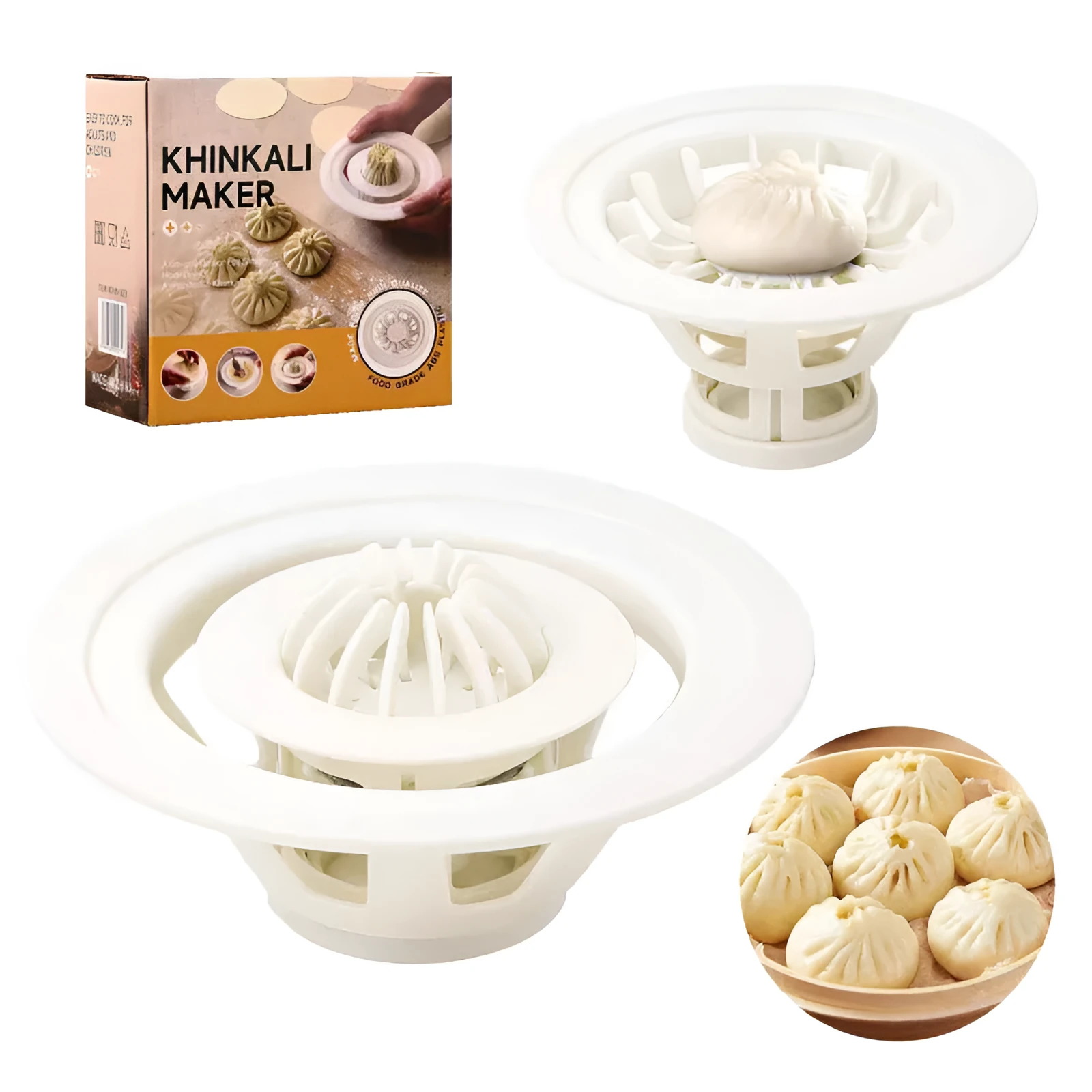
These moulds serve primarily in traditional Asian bun and dumpling preparation, transforming basic ingredients into shaped items ready for steaming. Their placement in the cooking process comes after dough kneading and dividing but before the actual steaming stage. The tools bridge the gap between prepared components and finished products, adding consistency and decorative elements where manual shaping might produce irregular results.
Event or Professional Use
While designed for home kitchen use, these moulds could support small-scale event catering or informal food businesses where uniform presentation matters. The pattern-imprinting capability adds decorative elements suitable for festive occasions, celebrations, or special meals where visual appeal enhances the dining experience. For anyone making larger batches of buns or dumplings for gatherings, the consistency offered by moulds rather than freehand shaping ensures every item matches in appearance. The efficiency of pressing rather than manually shaping each bun could save meaningful time when preparing for multiple guests.
Everyday Home Use
In regular home cooking, these tools simplify what can be a fiddly manual process for enthusiastic home cooks exploring Asian cuisine. The moulds remove the skill barrier to achieving neat, professional-looking bun shapes that might otherwise require considerable practice. Families making traditional foods together can involve less experienced members in the shaping process with reliable results. The four different tools offer variety within a single cooking session, allowing different bun types from one dough batch. Storage as a set keeps related tools together rather than scattered through kitchen drawers.
Benefits and Buying Value
This Jinkali set's value lies in its multi-tool approach to a specific kitchen task, combining four shaping implements into one purchase. Rather than buying individual moulds separately, the collection provides variety and versatility for those exploring different Asian bun styles. The practical benefits centre on consistency, time saving, and accessibility rather than exotic features or premium claims.
Reuse and Low Maintenance
These moulds offer straightforward reuse through simple cleaning between uses, with no indication of specialised care requirements beyond basic washing. The optional oil application represents minimal ongoing consumable use. Their construction appears durable enough for repeated home kitchen use, though without material specifications we cannot make specific longevity claims. The tools' design focuses on functional repetition—creating the same shapes repeatedly rather than single-use applications.
Why Choose This Product
Home cooks might choose this Jinkali set for its specific focus on Asian bun shaping with multiple tool options in one purchase. The pattern-imprinting capability adds decorative possibilities beyond basic shaping. The four-tool collection offers more versatility than single mould purchases while maintaining a compact "small tools" footprint in kitchen storage. For those regularly making steamed buns, dumplings, or shaomai, the consistency benefits could justify the investment compared to inconsistent manual shaping.